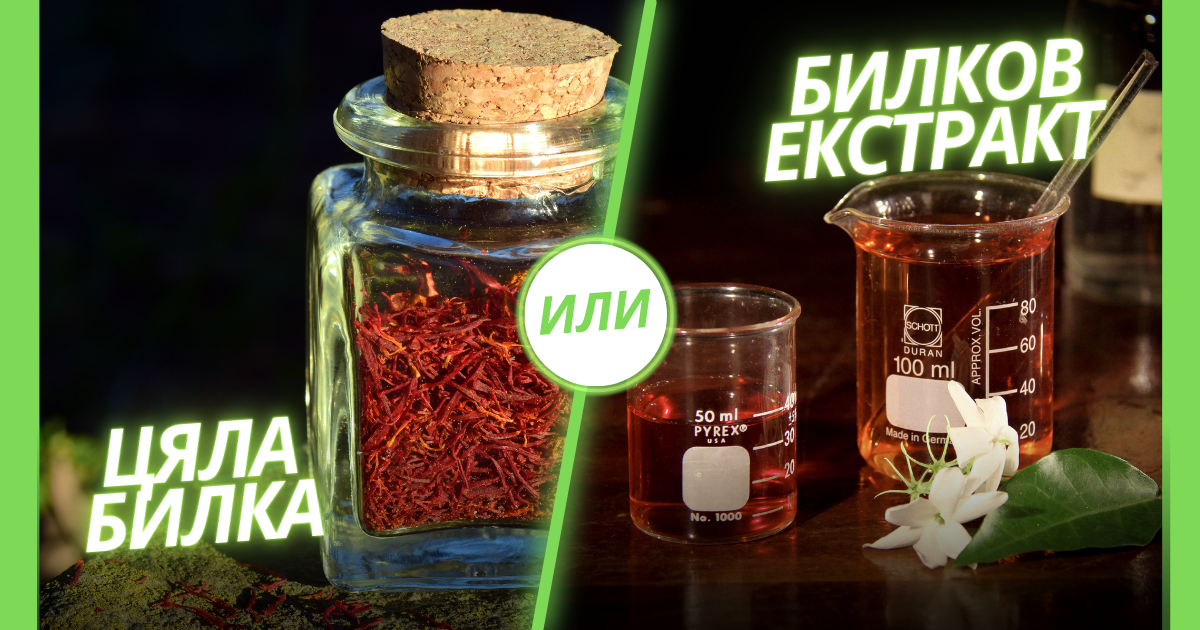
The primary use of herbs as medicine is becoming increasingly popular, and there are many herbal products to choose from. With so many options, it’s easy to feel confused about which forms of herbs are right for you. One key decision is whether to use whole herbs or standardized herbal extracts. This can be a tough choice, so it’s best to understand the facts about the differences between the two to make an informed decision.
Whole Herbs
A whole herb is exactly what it sounds like: the entire herb, usually dried and encapsulated or processed and preserved in alcohol or another solvent. Whole herbs contain all the components of the plant and have been used for centuries by many cultures. In fact, modern medicine originated from the use of whole herbs. The medicinal properties of herbs were established through empirical observations, and the knowledge was passed down through generations of healers. While the effects of herbs have not always been formally and scientifically studied, their use over centuries validates their safety and efficacy.
However, the chemical composition of a single herb can vary slightly depending on several factors. First, the environment where the plant is grown impacts its components. The time of year it’s harvested, the soil it’s grown in, and weather conditions affect the overall quality of the final product. Second, methodology matters. For example, the specific part of the plant used and the processing techniques employed can make a difference. Finally, each plant or population of plants has its own unique genetics, adding yet another source of variation in the final product.
Standardized Herbal Extracts
A standardized herbal extract contains one or more components in a specific, guaranteed amount, usually expressed as a percentage. The goal of standardizing herbs is to ensure that the user receives a product with consistent chemical composition from batch to batch. This practice arose from the pharmaceutical approach to herbal medicine, where modern scientists have attempted to identify the components of a plant responsible for certain pharmacological effects on the body.
Unfortunately, while scientists can isolate many components from an herb and determine how certain chemicals might act in the body, they often overlook or remove components that may contribute to the herb’s overall activity. As a result, standardization can concentrate one ingredient at the expense of others, potentially important ones, thereby altering the natural balance of the herb’s components.
Standardization is based on the idea that isolated compounds are responsible for the herb’s actions. However, nearly no medicinal herb is known for just one single function. In fact, plants contain a complex mix of phytochemicals and, as naturally concentrated foods, have the unique ability to address multiple issues simultaneously. The full therapeutic value of herbs comes from their internal complexity and the interactions of different components in the body, not from a single specific component. Furthermore, many of an herb’s components remain unknown, and the internal chemical interactions within and between herbs are even less understood. Thus, it is highly questionable whether standardized herbal extracts can provide the same full spectrum of benefits as the whole herb.
One of the main reasons herbalists prefer using whole herbs is the concept of synergy or “wholeness.” Synergy is a crucial concept in herbal pharmacology. It suggests that the medicinal properties of a whole plant are greater than the sum of its chemical elements. In other words, the whole is greater than the sum of its parts.
In herbal therapy, it is believed that individual components of herbs, which may not be active on their own, can enhance the effects of the active components. Thus, a single chemical element in its pure form may possess only a fraction of the therapeutic properties of the entire plant.
Why Is Dr. Mood Better Than Other Saffron Supplements?
At Dr. Mood. we use whole, ground saffron stigmas instead of standardized extracts. To ensure quality, we adhere to the highest standards for growing, harvesting, stigma separation, drying, and storage. The saffron we use undergoes precise laboratory analysis in a specialized French lab. The result is saffron of the highest quality used in Dr. Mood.
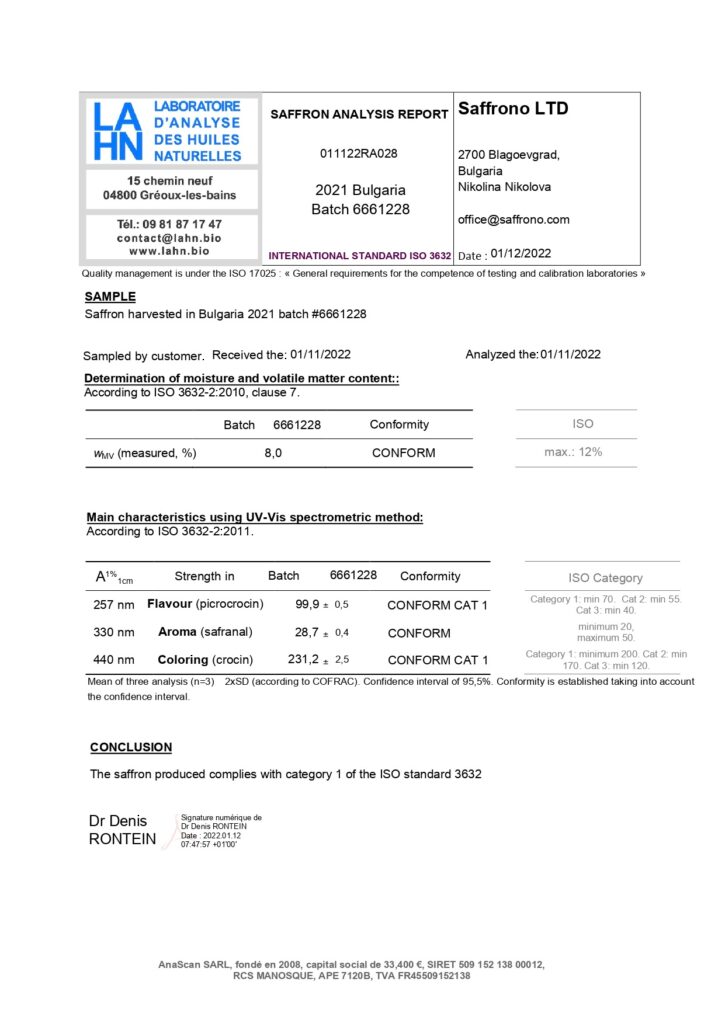
In most other saffron supplements, standardized extracts are typically used, preserving only a certain percentage of safranal. However, studies show that crocin, picrocrocin, and hundreds of other components are equally important and beneficial for health.
That’s why we confidently offer Dr. Mood, knowing that you will receive a high-quality saffron supplement that contains the whole herb.
2023
- 36
- 0


