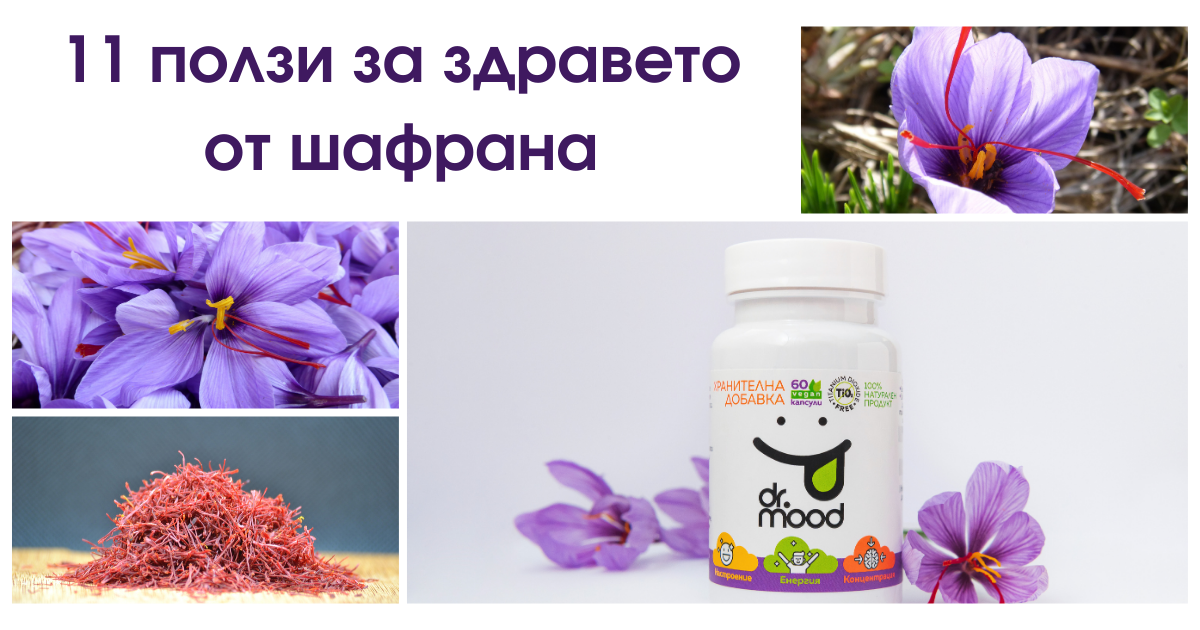
Saffron is the most expensive spice in the world. Its high cost is due to the labor-intensive harvesting process, which makes its production costly. Saffron is hand-harvested from the flower Crocus sativus, commonly known as saffron crocus. The term “saffron” refers to the thread-like red parts of the flower, called stigmas. The origin of saffron is still debated, but it most likely comes from Iran, where it was revered for its medicinal properties.
Here are 11 impressive health benefits of saffron:
1. Powerful Antioxidant
Saffron contains an impressive variety of plant compounds that act as antioxidants—molecules that protect your cells from free radicals and oxidative stress.
The well-known antioxidants in saffron are:
- Crocin
- Crocetin
- Safranal
Crocin and crocetin are carotenoid pigments responsible for saffron’s red color. These compounds may:
- Reduce symptoms of depression
- Protect brain cells from progressive damage
- Improve inflammatory conditions
- Reduce appetite
- Support weight loss
Safranal gives saffron its distinctive taste and aroma. Research shows that it may help improve mood, memory, and learning ability while protecting brain cells from oxidative stress.
2. May Improve Mood and Treat Depression Symptoms
Saffron is often called the “sunshine spice,” not only for its bright color but also for its potential to boost mood.
Findings from five studies suggest that saffron supplements are significantly more effective than a placebo for treating mild to moderate depression symptoms.
Other studies show that taking 30 mg of saffron daily is as effective as fluoxetine, imipramine, and citalopram—conventional depression treatments—while causing fewer side effects.
3. May Have Cancer-Fighting Properties
Saffron is rich in antioxidants, which help neutralize harmful free radicals. Damage from free radicals has been linked to chronic diseases, including cancer.
In test-tube studies, saffron and its compounds selectively killed colon cancer cells or inhibited their growth while leaving healthy cells unharmed. This effect has also been observed in cancer cells of the skin, bone marrow, prostate, lungs, breast, cervix, and more.
Test-tube studies also found that crocin, saffron’s main antioxidant, may make cancer cells more sensitive to chemotherapy drugs.
Although these findings are promising, saffron’s anti-cancer effects are poorly studied in humans, and more research is needed.
4. May Reduce PMS Symptoms
Premenstrual syndrome (PMS) refers to physical, emotional, and psychological symptoms occurring before the start of a menstrual cycle.
Studies indicate that saffron may help treat PMS symptoms.
In women aged 20–45, taking 30 mg of saffron daily was more effective than a placebo at treating PMS symptoms such as irritability, headaches, cravings, and pain.
5. May Act as an Aphrodisiac
Aphrodisiacs are foods or supplements that enhance libido. Studies show that saffron may have aphrodisiac properties, especially in people taking antidepressants.
For instance, taking 30 mg of saffron daily for 4 weeks significantly improved erectile function compared to a placebo in men with antidepressant-related erectile dysfunction.
Additionally, a review of six studies found that saffron significantly improved erectile function, libido, and overall satisfaction but not sperm characteristics.
For women with low sexual desire due to antidepressant use, 30 mg of saffron daily for 4 weeks reduced pain related to intercourse and increased sexual desire compared to a placebo.
6. May Reduce Appetite and Aid Weight Loss
Snacking is a common habit that can lead to weight gain. Research suggests that saffron may help curb this habit by reducing your appetite.
In an 8-week study, women taking saffron supplements felt significantly fuller, snacked less often, and lost more weight than women in the placebo group.
In another 8-week study, saffron supplements significantly reduced appetite, body mass index (BMI), waist circumference, and total fat mass.
Scientists are unsure how saffron suppresses appetite and aids weight loss. One theory is that it boosts mood, which in turn reduces the desire to snack.
7–10. Other Potential Health Benefits
Saffron has been linked to other health benefits that require further research:
- May reduce risk factors for heart disease. Animal and test-tube studies suggest that saffron’s antioxidant properties may lower blood cholesterol levels and prevent clogged arteries.
- May lower blood sugar levels. Saffron may reduce blood sugar levels and improve insulin sensitivity, as seen in test-tube studies and diabetic mice.
- May improve vision in adults with age-related macular degeneration. Saffron appears to enhance vision and protect against free radical damage associated with this condition.
- May boost memory in adults with Alzheimer’s disease. The antioxidant properties of saffron may improve cognitive abilities in people with Alzheimer’s.
More research is needed to confirm these benefits.
11. Easy to Add to Your Diet
You can consume saffron as a spice in dishes, as tea, or as a dietary supplement.
In small doses, saffron has a subtle flavor and aroma that pairs well with savory dishes like paella, risotto, and other rice-based meals.
The best way to extract saffron’s unique flavor is to soak the threads in hot—but not boiling—water. Add the threads and the liquid to your dish for a deeper, richer taste.
We believe that taking it as a supplement is easier and more convenient. At Dr. Mood we’ve incorporated pure, high-quality saffron into a balanced supplement. With two capsules daily, you’ll get 30 mg of saffron (whole herb, not extract)—enough to achieve its therapeutic effects.
Risks, Precautions, and Dosage
Saffron is safe with few or no side effects.
As a dietary supplement, people can safely consume up to 1.5 grams of saffron per day. However, only 30 mg daily is needed to reap its health benefits.
High doses of 5 grams or more can have toxic effects. Pregnant women should avoid high doses, as they may cause miscarriage.
As with any supplement, consult a healthcare professional before use, especially if you have chronic conditions, are pregnant, or are breastfeeding.
It’s essential to purchase saffron from reputable sources to ensure authenticity. If saffron is too cheap, it’s best to avoid it.
Source: Healthline Media
2023
- 96
- 0


