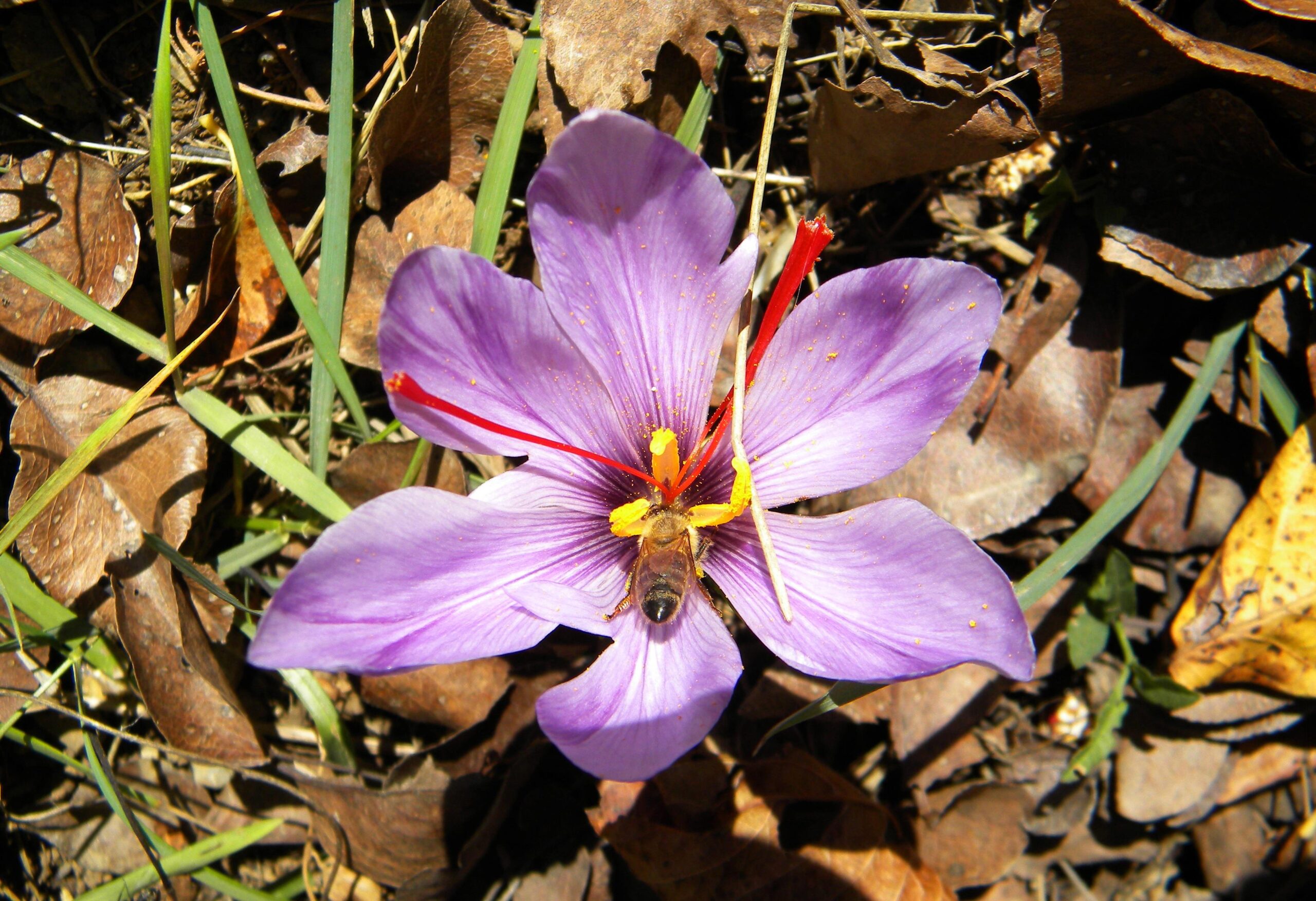
Saffron (Crocus sativus) is a spice that has been used for centuries in both culinary and medicinal applications. It is derived from the flower of the saffron crocus. The harvesting process is meticulous—flowers are picked by hand early every morning before they fully bloom. Afterward, the saffron stigmas are separated manually and then dried. This labor-intensive process makes saffron one of the most expensive spices in the world. Beyond its value as a spice, saffron boasts an extensive list of health benefits, earning it the nickname “red gold.”
Health Benefits
One of saffron’s most renowned uses is as a natural antidepressant. Research has shown that it positively affects mood and can be used to treat mild to moderate depression. Additionally, saffron has been proven to reduce anxiety, making it a potential treatment for anxiety disorders.
Beyond its mood-enhancing properties, saffron offers numerous other medical benefits. It is used to address digestive issues, including bloating, gas, and constipation. Saffron also possesses anti-inflammatory properties, which make it useful for treating inflammatory conditions such as asthma and arthritis.
Another surprising application of saffron is as a weight-loss aid. Studies indicate that it can help suppress appetite and boost metabolism, making it a helpful tool for those looking to shed a few pounds.
Saffron is also known for its powerful antioxidant properties, which help protect the body from the damaging effects of free radicals. This can be particularly beneficial for individuals with a history of heart disease or stroke, as saffron has been shown to have a positive impact on cardiovascular health.
It is important to note that using the whole herb for treatment is preferable to standardized herbal extracts. This ensures a more comprehensive and holistic effect on the body. You can read more about the advantages of using whole herbs over herbal extracts here.
Culinary Applications
Saffron is characterized by its bitter taste and the distinct aroma of iodine or hay, which are attributed to the chemical compounds picrocrocin and safranal. It also contains crocin, which imparts a rich golden-yellow color to food. These qualities make saffron a highly sought-after spice worldwide (source: Wikipedia). In cooking, it is used to color and flavor beverages, desserts, rice dishes, and even cheese. Due to its intense properties, saffron is rarely combined with other spices and is usually used on its own. The quantity of saffron needed is minimal, as it is extremely potent.
Conclusion
Saffron is a versatile spice with a long list of medical applications. Despite its high price, its numerous health benefits make it a worthwhile investment.
2023
- 89
- 0


